Home » Acne News » Why the Microcomedone Is More Than Just a Plug
Why the Microcomedone Is More Than Just a Plug
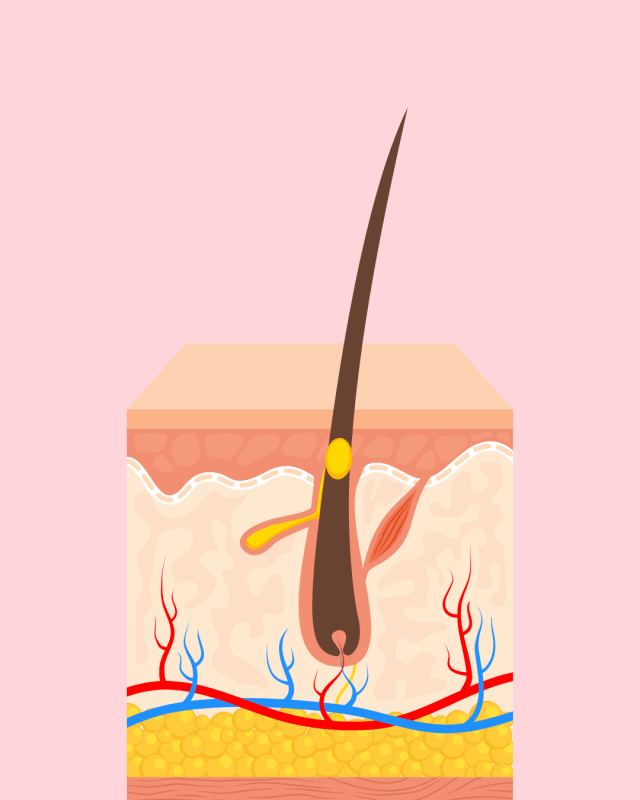
Looking Beneath the Surface
For decades, acne has been seen as a condition of visible spots—comedones, papules, pustules, and cysts. Patients often wonder why treatments fail to prevent new breakouts or why spot treatments only work temporarily.
The 2025 review, “Strategic Targets in Acne: The Microcomedone is Not Just a Plug, It Is an Egg,” challenges this perspective by focusing on the earliest changes in acne-prone skin. The key message is simple yet profound: non-lesional skin is not normal. Even skin that appears clear may harbour microcomedones—tiny, invisible precursors to acne. Understanding this hidden biology could transform how dermatologists and patients approach acne prevention and treatment.
What Is a Microcomedone?
Traditionally described as an “invisible plug” in the hair follicle, the 2025 update reframes the microcomedone as an “egg”—a structure with the potential to develop into a full-blown acne lesion under the right conditions.
While visible pimples represent only a fraction of the disease, microcomedones form the foundation of acne. They exist before any clinical lesion appears, making them the earliest and most strategic therapeutic target.
The Hidden Burden: Non-Lesional Skin
Studies reveal that even seemingly “normal” skin is far from acne-free:
- Sequential skin surface biopsies detect subclinical microcomedones in non-lesional areas.
- Around 30% of pilosebaceous units in uninvolved skin harbor these hidden lesions.
- Less than 1% of follicles eventually form visible pimples.
This explains patient frustration: treating visible spots addresses only the tip of the iceberg. Beneath the surface lies a reservoir of potential lesions waiting to emerge.
The “Comedo Switch”: How Acne Gets Activated
A central concept in the review is the “comedo switch”. Within the pilosebaceous unit, stem and progenitor cells respond to comedogenic signals:
- LRIG1+ sebaceous stem cells can be reprogrammed by acne-prone signals.
- GATA6 transcription factor normally suppresses hyperkeratinisation in the upper follicle; altered expression may allow acne formation.
- The switch determines whether a follicle remains dormant or progresses toward inflammation and visible acne.
In short, acne doesn’t simply appear—it is switched on at a cellular level long before spots surface.
Detecting Microcomedones
Although invisible to the naked eye, modern dermatology offers powerful tools to study microcomedones:
- Cyanoacrylate Skin Surface Stripping (CSSS):
- Non-invasive and rapid
- Identifies follicle numbers, microcomedone density, and type
- Predicts acne risk and monitors treatment response
- Reflectance Confocal Microscopy & Optical Coherence Tomography:
- Advanced imaging for detailed analysis of lesional and non-lesional skin
- Guides therapy by tracking reduction of microcomedone burden
Why Spot Treatments Are Not Enough
Patients often treat acne reactively, applying gels or creams to visible pimples. But with 30% of follicles already harboring microcomedones, targeting only visible lesions is too late.
Effective acne therapy must:
- Prevent new lesions by targeting microcomedones
- Maintain clear skin by keeping the comedo switch turned off
- Treat non-lesional skin, not just visible spots
This is why dermatologists recommend consistent, whole-face regimens rather than selective spot treatment.
New Targets in Acne Therapy: Turning Off the Switch
The comedo switch opens new therapeutic possibilities:
- Modifying stem cell pathways to favour epithelial differentiation over sebocyte production
- Inhibiting comedo switch inducers in the pilosebaceous unit
- Targeting transcription factors like GATA6 to prevent hyperkeratinisation
The goal: create non-comedogenic skin resistant to lesion formation, even in acne-prone individuals.
Clinical Implications: Prevention as the New Frontier
For dermatologists:
- Start treatment early: Mild acne may hide extensive microcomedonal activity
- Maintain therapy: Stopping once skin looks clear ignores hidden lesions
- Personalise treatment: Imaging and skin surface analysis could predict high-risk patients and tailor therapy
For patients: treating acne is not just about reacting to visible spots—it’s about preventing what you can’t see.
Conclusion: The Egg That Explains Acne
The 2025 update reframes acne at its roots. The microcomedone is more than a plug—it is an egg, the hidden precursor to breakouts.
By understanding the comedo switch, dermatologists can:
- Target acne earlier
- Prevent recurrence
- Design therapies that alter the natural history of acne
Acne care in 2025 is shifting from spot treatment to whole-skin prevention, from managing symptoms to altering underlying follicular biology. It’s no longer just about what we see—it’s about what lies beneath the surface.