Home » Acne News » Bacteriophage Therapy in Dermatology: A New Frontier in Skin Disease Management
Bacteriophage Therapy in Dermatology: A New Frontier in Skin Disease Management
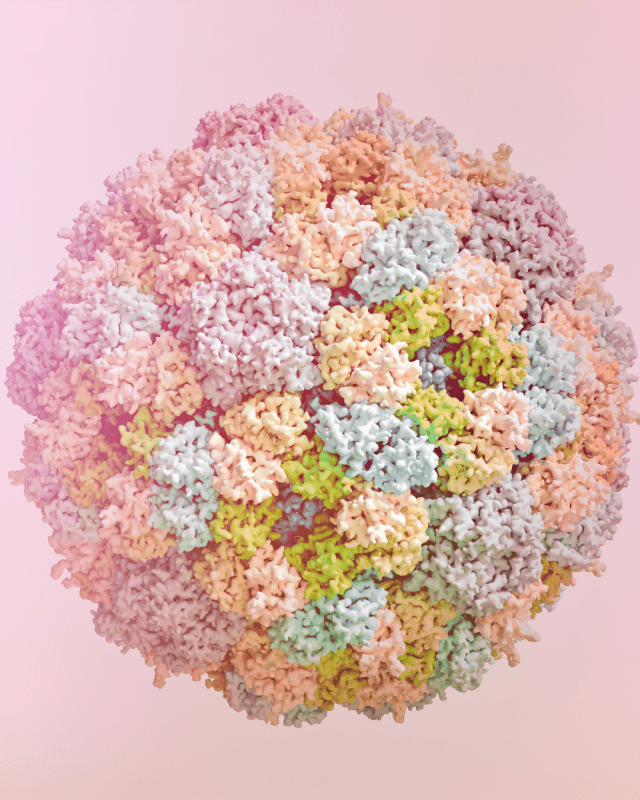
In dermatology, a new wave of innovation is emerging from an unexpected source—viruses that kill bacteria. Known as bacteriophages, or simply phages, these naturally occurring bacterial predators are being explored as a next-generation therapy for stubborn and resistant skin diseases.
A recent Letter to the Editor published in the Journal of the European Academy of Dermatology and Venereology (JEADV) reviewed 24 studies involving 690 patients treated with phage therapy. Most research to date has focused on wound infections, but early studies in acne, atopic dermatitis, and even psoriasis suggest phage therapy could soon become a safe, selective, and innovative tool in dermatologic care.
What Exactly Is Bacteriophage Therapy?
Bacteriophages are viruses that infect and destroy bacteria—without harming human cells or beneficial microbes. Each phage is exquisitely specific, targeting only certain bacterial strains. This precision gives phage therapy several unique advantages over traditional antibiotics:
- 🎯 Targeted action – phages eliminate only the harmful bacteria, leaving healthy skin flora intact.
- 💪 Activity against antibiotic-resistant strains – they remain effective where many antibiotics fail.
- 🔄 Low cross-resistance – bacteria resistant to antibiotics aren’t necessarily resistant to phages.
- 🧬 Biofilm disruption – phages can penetrate the sticky bacterial biofilms that often make infections hard to treat.
- 🌿 Immunomodulatory effects – early data suggest phages can modulate immune responses, helping reduce inflammation.
With antimicrobial resistance on the rise, these properties make phage therapy an especially exciting frontier in dermatology.
Phage Therapy and Acne
Acne vulgaris is closely linked to Cutibacterium acnes (C. acnes), a bacterium that drives inflammation within hair follicles. Researchers are now exploring how phage therapy could transform acne management by:
- Reducing C. acnes populations without disrupting the skin microbiome.
- Overcoming resistance caused by long-term antibiotic use.
- Serving as an adjunct or alternative to standard treatments such as benzoyl peroxide, retinoids, or oral antibiotics.
Though still in early clinical stages, acne-targeted phage therapy could fill a critical gap—offering a long-term, microbiome-friendly approach for patients seeking gentler yet effective options.
Phage Therapy in Atopic Dermatitis
In atopic dermatitis (AD), skin inflammation is often aggravated by Staphylococcus aureus (S. aureus) colonisation. These bacteria worsen flares and damage the skin barrier.
Phage therapy offers a targeted solution by selectively eliminating S. aureus without harming beneficial microbes. This could help restore microbial diversity—something frequently reduced in AD—and reduce the frequency of flares.
For patients who have become resistant to topical antibiotics or who need repeated antimicrobial courses, phage therapy could soon represent a safe, selective adjunct to existing treatments.
Phage Therapy in Psoriasis
Psoriasis isn’t primarily infectious, but secondary bacterial colonisation can intensify inflammation. Research has shown phages targeting Acinetobacter and Pseudomonas species may help reduce biofilm formation and chronic inflammation associated with psoriasis plaques.
Although data are still preliminary, this suggests phage therapy might one day complement conventional psoriasis treatments, helping to reduce microbial-driven inflammation and improve skin outcomes.
Phages and Wound Infections
The majority of published studies focus on chronic wound infections, where multidrug-resistant bacteria and biofilms make healing notoriously difficult. Phages have shown promising results against a wide array of pathogens, including:
- Staphylococcus aureus
- Pseudomonas aeruginosa
- Escherichia coli
- Klebsiella pneumoniae
In these settings, phages can:
- Penetrate biofilms that shield bacteria from antibiotics.
- Decrease bacterial load in chronic, non-healing wounds.
- Work synergistically with antibiotics—allowing for lower, safer doses.
These findings have major implications not just for dermatology but also for burn care and surgical wound management.
Why Dermatologists Are Paying Attention
Phage therapy offers several compelling advantages over traditional antimicrobials:
✅ Selective precision – protects the skin’s healthy microbiome.
✅ Adjunctive potential – combines well with antibiotics or topical agents.
✅ Power against resistant bacteria – crucial in today’s antibiotic-resistant era.
✅ Favourable safety profile – early studies report good tolerance.
✅ Biofilm-busting ability – a breakthrough in managing chronic infections.
Current Limitations and What’s Next
As promising as it is, bacteriophage therapy in dermatology is still in its infancy. Key challenges remain:
- Limited clinical trial data: most evidence comes from small or case-based studies.
- Regulatory hurdles: approval pathways differ internationally, slowing access.
- Strain specificity: each phage must be carefully matched to the target bacteria.
- Public and professional awareness: education is needed to build confidence and familiarity.
Future directions include larger clinical trials, standardised formulations, and topical delivery systems specifically designed for acne, atopic dermatitis, and wound care.
Conclusion
The JEADV systematic review marks an exciting turning point for phage therapy in dermatology. Across 24 studies and 690 patients, researchers have already demonstrated potential applications spanning:
- Acne (C. acnes)
- Atopic dermatitis (S. aureus)
- Psoriasis (Acinetobacter and Pseudomonas)
- Chronic wound infections (multiple resistant bacteria)
With their ability to disrupt biofilms, modulate immunity, and target resistant pathogens, bacteriophages represent a powerful new ally in skin disease management.
While more research and regulation are needed, the momentum is clear. Phage therapy could soon move from experimental to everyday practice—offering dermatologists and patients a new way to outsmart bacteria and heal the skin naturally.
The future of antimicrobial therapy may not lie in stronger antibiotics—but in smarter viruses.